Scott 3200A Tailwheel – Fully Rebuilt: Reliable Aircraft Ground Handling Performance
Scott 3200A Tailwheel – Fully Rebuilt: Reliable Aircraft Ground Handling Performance
Blog Article
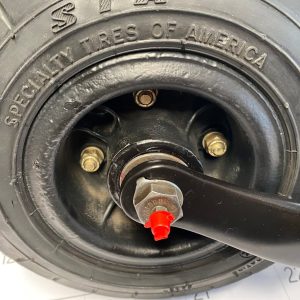
The Scott 3200A Tailwheel – Fully Rebuilt gives operators an alternative to an unknown used assembly when the rebuild process, component condition, and package contents are documented clearly. Clear rebuild records help aircraft owners and maintenance professionals evaluate the tailwheel before installation.
The Scott 3200A Tailwheel Assembly combines wheel support, directional steering, swiveling capability, and tail-load management within one compact component. The Scott Tailwheel Assembly may contain bearings, bushings, springs, steering pawls, arms, wheel components, axle hardware, fasteners, and internal wear surfaces.
The Aircraft Tailwheel Assembly should remain properly aligned, lubricated, secured, adjusted, and compatible with the complete aircraft steering system. A General Aviation Tailwheel may be used on training aircraft, classic taildraggers, bush airplanes, utility platforms, experimental aircraft, and restored vintage designs.
Whether the goal is a Replacement Aircraft Tailwheel or a broader purchase of General Aviation Landing Gear Parts, qualified review provides the strongest foundation.
Overview of the Fully Rebuilt Scott 3200A
The Scott 3200A combines mechanical steering and swivel functions in a design familiar to many tailwheel pilots, restorers, and aviation maintenance professionals. Replacing the tailwheel alone may not correct a wider installation problem.
Maintaining a Scott 3200A Tailwheel Assembly
The Scott 3200A Tailwheel Assembly includes a wheel-and-fork structure combined with steering and swiveling mechanisms for suitable tailwheel-equipped airplanes. Reusable parts may remain acceptable when they pass inspection, while worn or damaged components should be replaced appropriately.
Scott Tailwheel Reliability and Condition
Correct lubrication and careful reassembly help restore smooth movement and reduce unnecessary wear. A freshly painted assembly may still contain worn bearings, weak springs, excessive clearances, or damaged steering components when no true rebuild was completed.
Aircraft Tailwheel Assembly Operation
An Aircraft Tailwheel Assembly allows the rear of the airplane to roll and respond to steering input during ground movement. The entire installation should be reviewed whenever a rebuilt tailwheel is fitted.
Choosing a General Aviation Tailwheel
Each operating environment places different demands on the tire, wheel, fork, bearings, steering mechanism, hardware, and lubrication. Training aircraft may accumulate frequent taxi and landing cycles, while bush airplanes may experience greater surface irregularity and impact loading.
Choosing an Aircraft Tailwheel
A well-maintained Aircraft Tailwheel can support smoother tracking and reduce unnecessary pilot workload. The wheel should rotate smoothly without excessive side play, roughness, binding, or abnormal drag.
Choosing a Taildragger Tailwheel
Mechanical wear, poor alignment, or unsuitable steering adjustment can increase pilot workload. Taildragger operation may expose the assembly to side loads during crosswind taxiing, landing corrections, tight turns, and directional-control events.
Aviation Tailwheel System Inspection
A worn tail spring or loose mounting bolt may cause poor tracking even when the rebuilt tailwheel remains mechanically serviceable. Correct setup supports consistent Aviation Tailwheel System operation.
Maintaining a Tailwheel Steering Assembly
The mechanism should respond smoothly without sticking, harsh engagement, excessive delay, uncontrolled release, or irregular centering. Correct clearance prevents binding and unnecessary mechanical loading.
Aircraft Ground Handling Tailwheel
An Aircraft Ground Handling Tailwheel supports controlled movement during taxi, parking, towing, hangar positioning, and ramp click here maneuvering. Towing should use appropriate equipment and procedures that avoid overloading steering arms, chains, springs, forks, or mounting structures.
Scott 3200 Tailwheel Applications
Its established design supports servicing, adjustment, rebuilding, and parts replacement by knowledgeable aviation professionals. Different Scott 3200 variants, later manufacturing versions, replacement parts, and modified assemblies may exist.
Rugged Tailwheel Performance
A Heavy-Duty Aircraft Tailwheel may be considered for utility, bush, training, agricultural, work-oriented, or backcountry aircraft exposed to demanding ground use. Even a robust assembly can wear quickly when the tail spring, steering links, mounting bolts, or alignment are incorrect.
Choosing Tailwheel Aircraft Parts
Replacement components should be selected through accurate identification and suitable technical references. The rebuild should examine all interacting parts rather than focusing on external appearance.
Aircraft Steering Tailwheel Performance
Alignment and steering-link condition influence how accurately the wheel follows pilot input. Uneven tire wear may indicate alignment, bearing, or steering concerns.
Choosing a Replacement Aircraft Tailwheel
Correct identification reduces compatibility problems, return costs, and installation delays. Rebuild documentation should accompany the assembly when available.
Choosing General Aviation Landing Gear Parts
The tailwheel should be considered within the broader condition and alignment of the aircraft landing gear. Used or rebuilt landing gear parts should be listed with accurate identification, condition, rebuild history, package contents, and available documentation.
Rebuilt Tailwheel Buying Checklist
The rebuild date and identity of the rebuilder should be provided where available.
- Confirm that the assembly is a Scott 3200A, review all visible markings, compare mounting details, and verify the wheel-and-fork configuration for the intended aircraft.
- Do not treat clean paint, fresh grease, or bright hardware as proof of a complete mechanical rebuild.
- Confirm the seller’s terms, written invoice, rebuild documents, payment protection, shipping insurance, packaging method, inspection period, and return conditions.
Scott Tailwheel Fitment and Adjustment
Mounting surfaces, steering springs, chains, hardware, and attachments should be reviewed before the rebuilt unit is installed. The steering linkage should respond properly without restricting rudder movement.
Testing should begin at low speed in a suitable area under safe conditions.
Scott Tailwheel Maintenance Guide
The rebuilt assembly should be inspected according to aircraft use, operating surface, maintenance requirements, and observed condition. Changes in taxi handling should be documented and reported.
Suitable lubricant should be applied at the correct locations without attracting unnecessary contamination.
Choosing the Scott 3200A Tailwheel – Fully Rebuilt
The Scott 3200A Tailwheel – Fully Rebuilt can provide a dependable replacement option for compatible aircraft when its rebuild quality, condition, configuration, and documentation are verified. Careful technical and commercial evaluation can reduce compatibility problems, repeated repairs, project delays, and unexpected costs.
Whether the aircraft operates from pavement, grass, gravel, dirt, private strips, utility fields, or backcountry airfields, the tailwheel should match the actual aircraft and operating environment. With careful selection and attention to the complete tailwheel system, owners can reduce shimmy, binding, irregular steering, looseness, and premature wear.
Report this page